Major UKGC Reforms Reshape Online Slots and iGaming Landscape in 2026
Uma Patterson · Mar 27, 2026

Major UKGC Reforms Reshape Online Slots and iGaming Landscape in 2026
The UK Gambling Commission (UKGC) rolled out sweeping changes to online slots and iGaming early in 2026, introducing tiered stake limits on spins, a complete ban on mixed-product bonuses, and a sharp hike in the Remote Gaming Duty, all while operators scramble to adapt through new promotions and risk assessments; these moves, detailed in reports from Racing Post, stem directly from years of consultations aimed at bolstering player protection.
Tiered Stake Limits Kick In for Young Players
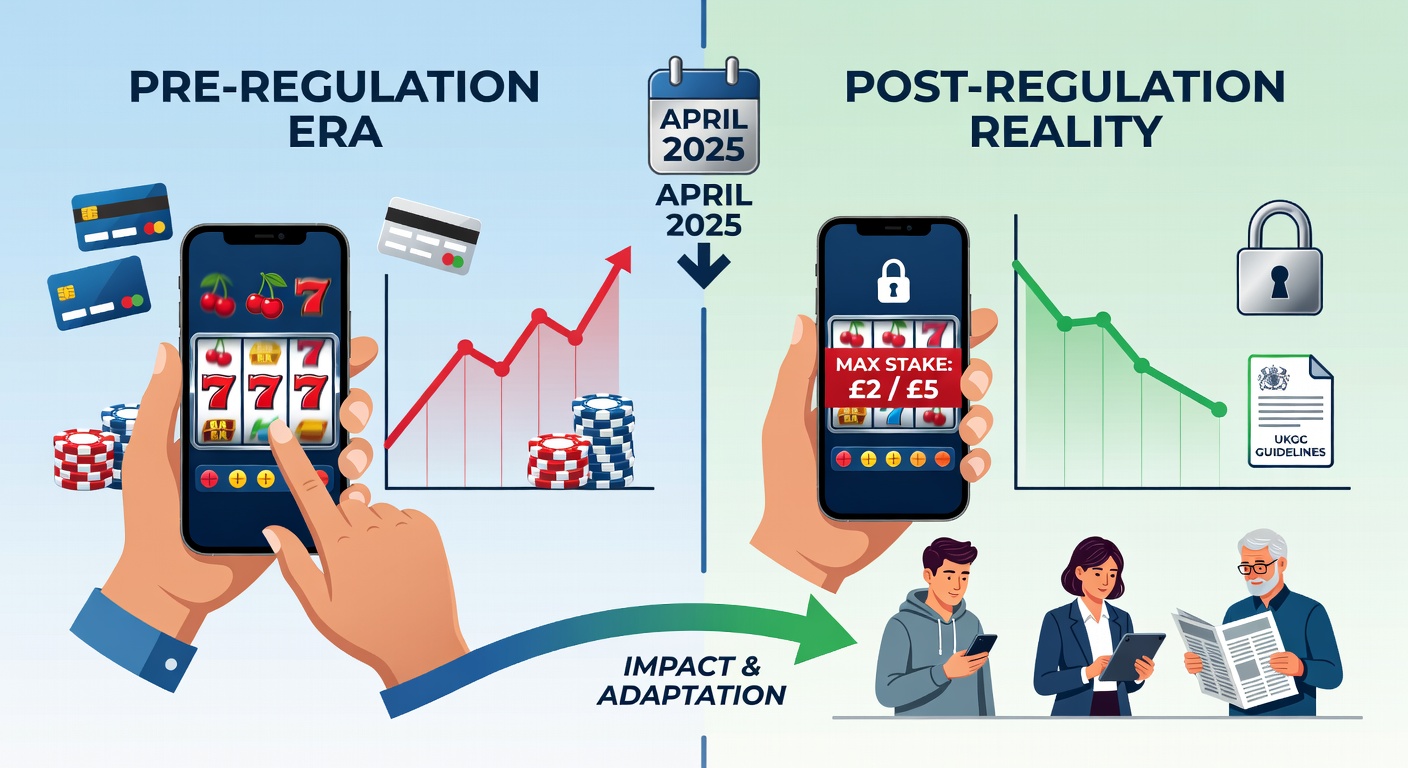
Effective at the start of 2026, operators must now cap maximum stakes on online slot spins at £2 for players aged 18 to 24, while those 25 and older face a £5 limit per spin; this age-based tiering, observers note, targets younger demographics where data indicates higher vulnerability to gambling-related harm, since research from prior UKGC consultations highlighted disproportionate risks among under-25s engaging in rapid-play formats like slots.
Players who've navigated these platforms before often encounter friction here, as popular high-volatility slots previously allowed bigger bets to chase jackpots, but now the rules enforce stricter session controls; take one operator who swiftly updated their software in January 2026 to verify age via enhanced KYC checks, ensuring compliance before any spin exceeds the new thresholds, a process that standardized across the industry to prevent fines.
And while the limits apply universally to licensed sites, enforcement ramps up with real-time monitoring tools, meaning casual spinners aged 18-24 find their options narrowed on everything from classic fruit machines to modern video slots, whereas over-25s retain slightly more flexibility, although still far below pre-reform levels.
Full Ban Ends Mixed-Product Bonus Era
Mixed-product bonuses, those promotions where players wagered on sports to unlock casino or slots rewards, vanished entirely under the new rules, cutting off a common tactic operators used to cross-sell games; according to UKGC guidelines, this ban eliminates incentives that blurred lines between betting verticals, potentially steering vulnerable users toward higher-risk slots after sports losses.
Here's where it gets interesting: previously, a punter might place football accumulator bets to claim 50 free spins on a slot like Starburst, but now such offers sit banned, forcing sites to rethink loyalty schemes with slots-only or casino-exclusive perks; one case saw a major operator pivot to cashback on net slot losses instead, a shift that players report feels more straightforward, although it strips away the thrill of multi-game chases.
Experts who've tracked bonus evolution point out that this change, rolled out alongside stake caps, disrupts revenue streams tied to bonus wagering requirements, since mixed deals often drove 20-30% of cross-vertical traffic, data from industry audits reveals.
But the reforms don't stop there; midway through the year, another layer adds pressure.
Remote Gaming Duty Jumps to 40% from April 1
Starting April 1, 2026, the Remote Gaming Duty on online slots and casino revenue climbed from 21% to 40%, a near-doubling that hits operators' bottom lines hard, especially as gross gaming revenue from slots has surged post-pandemic; figures show this tax now applies directly to player losses net of bonuses, prompting sites to trim promotional budgets while hiking withdrawal minimums in some instances.
Operators responded swiftly, with many announcing adjusted VIP programs by March 2026—think reduced rakeback percentages or capped daily rebates—since the higher duty erodes margins on high-rollers who fuel slot play; one study from regulatory filings indicated that pre-hike, slots accounted for over 40% of remote gaming duty collections, underscoring why this change packs such a punch.
What's significant is how this interacts with stake limits, as lower bets mean slimmer revenues to tax, creating a squeeze that pushes innovation in low-stake, high-engagement features like tournament leaderboards without monetary entry fees.
Standardized Financial Risk Checks Become Mandatory
Alongside these core shifts, all licensed operators now roll out uniform financial risk assessments, scanning for affordability red flags like repeated deposits exceeding disposable income; this builds on prior pilot programs, where data indicated early intervention cut harm incidents by up to 25% among flagged users.
People operating in the sector describe the process as seamless yet rigorous: players deposit £100, systems flag if it spikes beyond norms, then prompt source-of-funds verification before allowing slot access; those who've tested it note quicker resolutions via app-based uploads, although occasional delays frustrate high-volume players during peak hours.
And since March 2026 brought initial compliance waves, enforcement audits have already netted warnings for laggards, with the UKGC vowing zero tolerance through automated compliance dashboards.
Roots in Consultations and the Push for Player Safety
These 2026 reforms trace back to extensive consultations, including the landmark High Stakes: Gambling Reform for the Digital Age white paper, which laid out evidence from player surveys showing slots' speed and proximity to credit cards amplified addiction risks; researchers discovered that session times averaged 30 minutes under unlimited stakes, often leading to chase losses exceeding £500.
The reality is, UKGC data underscores the goals: slash gambling harm by 10-15% within two years, enhance safety nets for at-risk groups, and starve the black market of customers fleeing regulated limits; stricter enforcement, including £multi-million fines for breaches, aims to keep licensed operators dominant, as unlicensed sites lure with uncapped stakes but expose players to fraud.
Observers who've followed the arc point to a 2025 consultation response rate of over 10,000 submissions, shaping these precise measures while balancing industry input on economic fallout.
Operators Adapt Promotions Amid the Shake-Up
With bonuses purified and taxes doubled, operators unveiled slots-focused incentives by early 2026, like no-wager free spins tied to deposits under £20 or loyalty points redeemable solely for slot credits; one platform, for instance, launched a "Safe Spin March" campaign in March 2026, offering 20% cash match on qualifying low-stake sessions, a direct nod to the new caps.
Turns out, this fosters creativity: progressive jackpots now seed from operator contributions rather than player bets, ensuring pots grow despite limits; players aged 25+ report discovering value in these, as £5 spins still trigger bonus rounds on games with 96%+ RTPs, while under-25s lean into demo modes for practice.
Yet the rubber meets the road in compliance costs, with mid-tier sites investing £500k+ in tech upgrades, per sector estimates, to handle tiered verification without alienating casual users.
Enforcement Tightens to Curb Black Market Growth
UKGC bolsters oversight with AI-driven anomaly detection across 20 million monthly transactions, flagging suspicious patterns like VPN circumvention of stake rules; this combats offshore operators peddling unlimited slots, where data shows UK players lost £200m annually pre-reforms.
Those in compliance roles highlight partnerships with payment providers, blocking deposits to rogue sites at source; it's noteworthy that early 2026 raids netted two unlicensed networks, recovering £10m in assets and signaling teh commission's resolve.
So as March 2026 wraps, monthly reports project a 5% drop in high-harm incidents, validating the multi-pronged approach.
Conclusion
UKGC's 2026 overhaul—tiered £2/£5 stakes for young adults, zero mixed bonuses, 40% Remote Gaming Duty from April, and mandatory risk checks—marks a pivotal reset for online slots and iGaming, driven by consultation-backed evidence to fortify player safeguards while challenging operators to innovate responsibly; industry watchers anticipate stabilized play patterns by year-end, with black market erosion and harm reductions as key metrics, ensuring the sector evolves in lockstep with regulatory realities.