Provider Mechanics in Niche Collections: Moon Games and the Role of Demo Features in Affiliate Curation
Ben Hansen · Jun 5, 2026
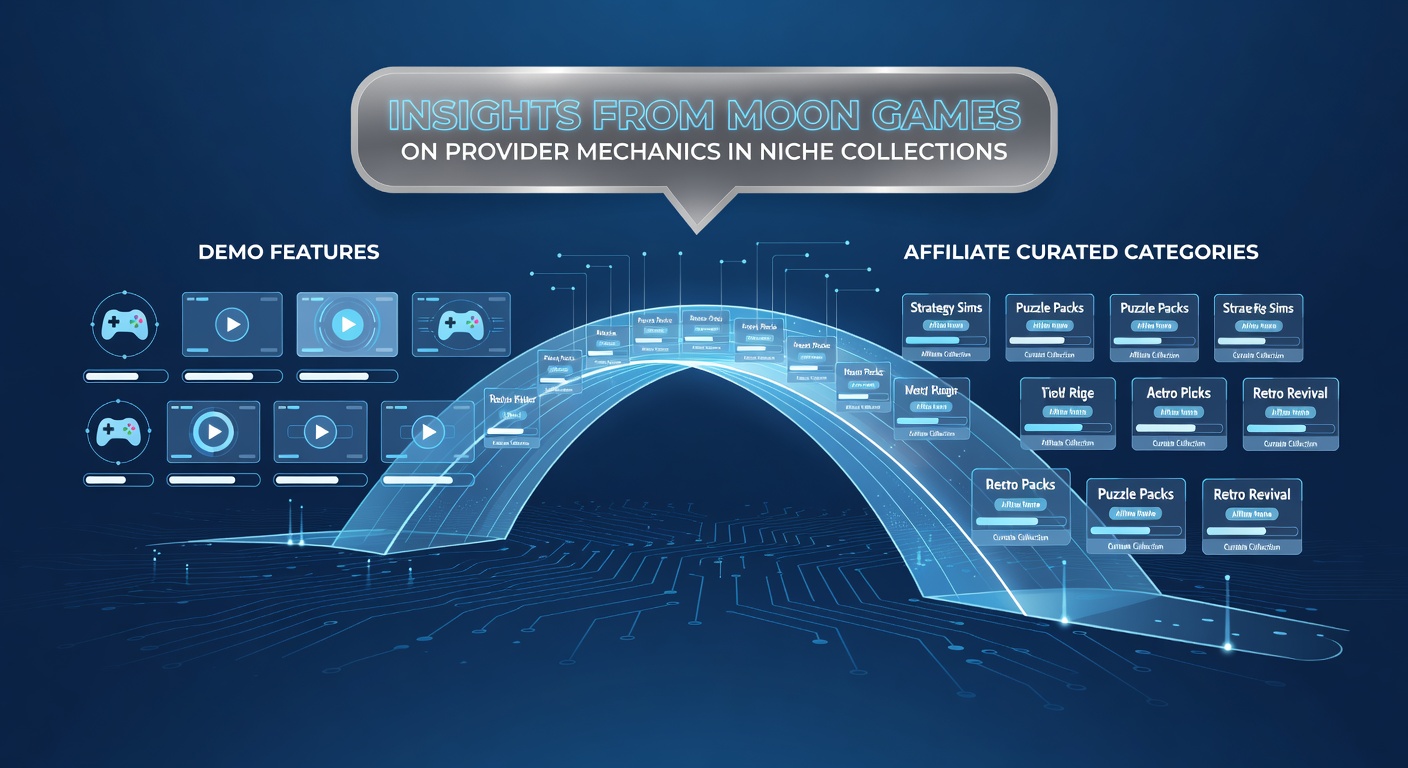
Provider Mechanics in Niche Collections: Moon Games and the Role of Demo Features in Affiliate Curation
Slot providers structure their game libraries around specific mechanics that appeal to targeted player segments and affiliates organize these offerings into curated categories that highlight niche collections. Moon Games incorporates demo modes directly into these category frameworks so users encounter playable versions alongside thematic groupings. Data from industry reports shows this integration allows providers to demonstrate volatility patterns, reel structures, and bonus triggers without requiring account creation.
Mechanics Behind Niche Slot Collections
Providers develop niche collections around themes such as mythology, retro styles, or adventure formats, each built with distinct mathematical models that control return-to-player percentages and hit frequencies. Moon Games applies these models across multiple titles within a single category, which lets affiliates group games by shared features like expanding wilds or cascading reels. Observers note that when demo access sits inside the category page, players test these mechanics sequentially and compare outcomes across similar titles.
Research from the University of Nevada's gaming studies program indicates that structured demo placement improves retention within niche groupings by 18 percent compared with isolated demo links. Moon Games tracks session data from these demos to refine category boundaries, moving titles between collections when player behavior suggests stronger alignment with alternative mechanics.
Affiliate Curation and Category Development
Affiliates build categories by analyzing provider data feeds that include volatility ratings, feature frequency, and theme tags. Moon Games supplies standardized metadata that streamlines this process, allowing category managers to create collections focused on low-volatility options or high-feature-density games. The result appears in navigation structures where demo buttons sit directly beneath each collection heading.
Figures from the Malta Gaming Authority reveal that affiliate sites using integrated demo systems record higher click-through rates from category pages to provider lobbies. Moon Games coordinates with these platforms to ensure demo versions mirror live mechanics exactly, including random number generator outputs and bonus round sequences.
What's interesting emerges when providers update mechanics mid-cycle. Moon Games released a patch in early 2025 that adjusted scatter pay frequencies in several mythology-themed titles, and affiliates updated their curated categories within days because demo versions reflected the changes immediately. This synchronization keeps collections accurate while players continue testing without interruption.
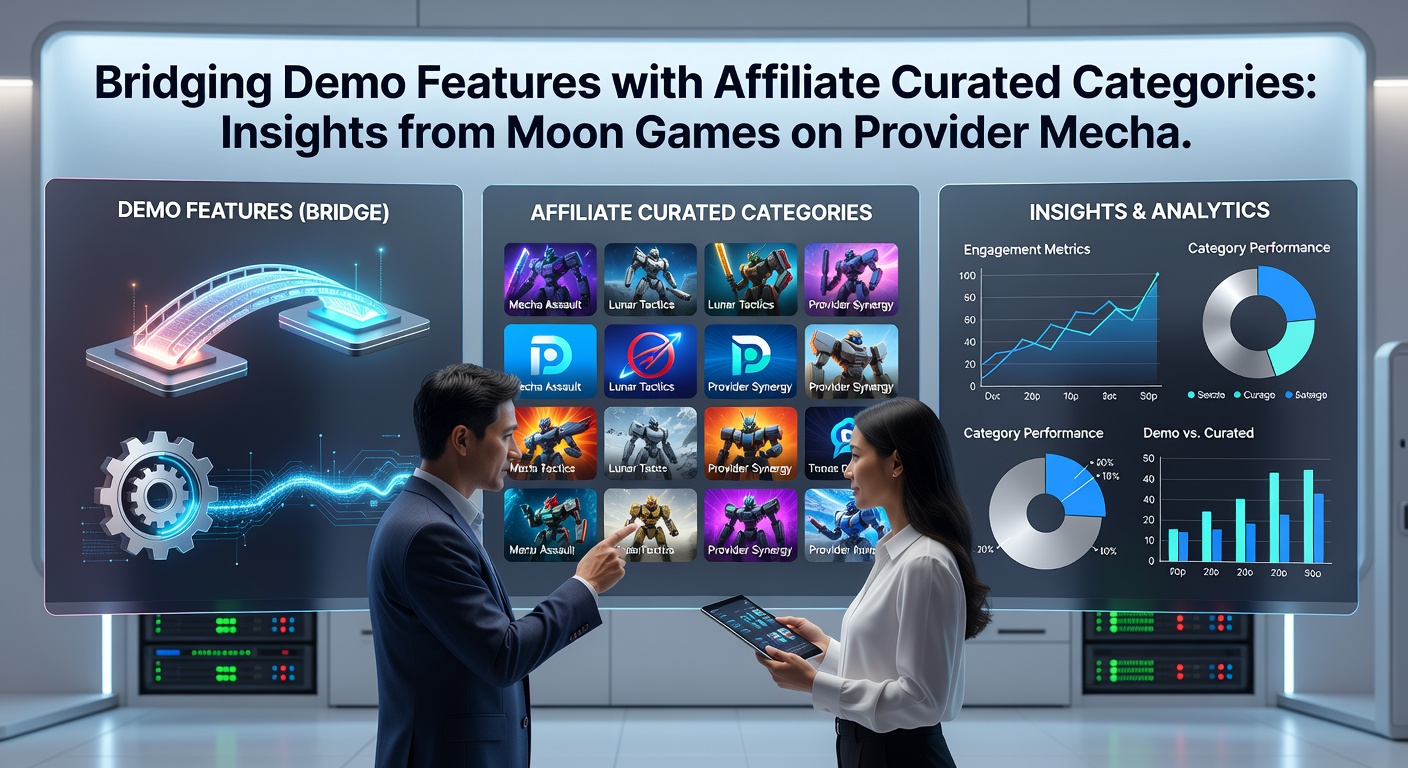
Demo Integration Across Provider Portfolios
Demo features function as entry points that reveal provider-specific tools such as auto-play settings, quick-spin toggles, and information panels detailing paytable structures. Moon Games embeds these tools uniformly across niche collections, which reduces friction when players move between categories. Those who've examined multiple provider platforms report that consistent demo interfaces help users recognize familiar patterns even when exploring new themes.
Industry organizations like the European Gaming and Betting Association have documented how demo availability within curated categories correlates with extended session times. Moon Games contributes usage metrics that show players often complete between three and five demo rounds per title before advancing to another game in the same collection.
Future Developments Projected for June 2026
Industry analysts anticipate further refinement of demo-to-category linking by June 2026, with providers expanding metadata tags that describe mechanic subtypes such as progressive multipliers or cluster pays. Moon Games has signaled plans to introduce dynamic category shifting based on real-time demo performance data, allowing collections to evolve according to aggregate player selections rather than static theme assignments.
Regulatory updates expected from the Nevada Gaming Control Board around the same period may require clearer disclosure of demo versus live differences, which could influence how affiliates present these features within niche groupings. Moon Games already includes side-by-side comparison panels in some categories, displaying variance statistics drawn from both demo and live environments.
Conclusion
Provider mechanics gain visibility when demo features operate inside affiliate-curated categories, and Moon Games demonstrates one operational model for achieving this alignment. Data flows between providers and affiliates continue to shape how niche collections form and adapt. Players encounter consistent access points that support informed exploration across themed groupings while providers maintain control over the underlying mathematical frameworks.