UK Gambling Commission Tightens Online Slots Rules in 2026 with Stake Caps, Feature Bans, adn Robust Player Safeguards
Ben Bennett · Mar 30, 2026

UK Gambling Commission Tightens Online Slots Rules in 2026 with Stake Caps, Feature Bans, adn Robust Player Safeguards
The Push for Safer Slots: What Operators and Players Face in 2026
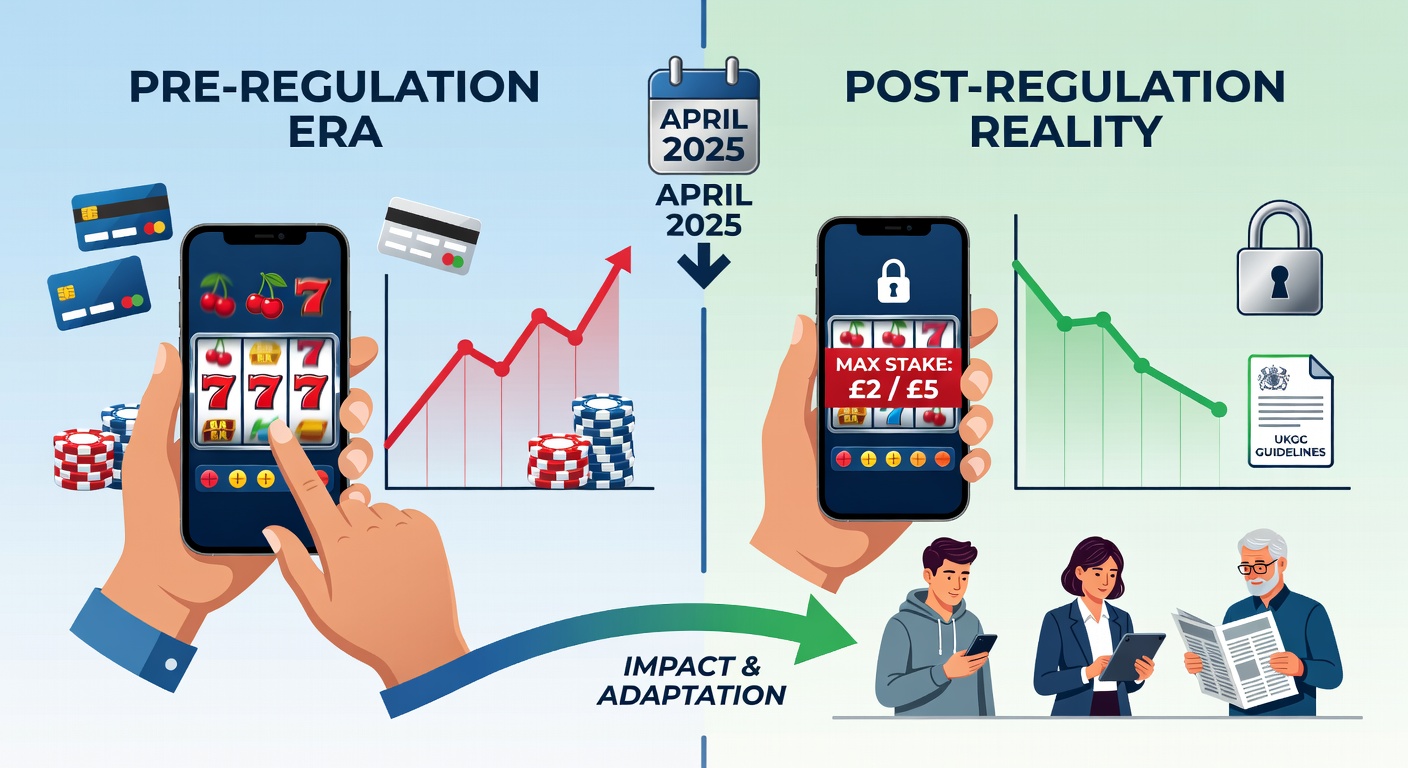
Operators in the UK online slots market now navigate a landscape reshaped by the UK Gambling Commission, which enforces stringent regulations set to fully activate throughout 2026, including targeted stake limits that differentiate by age group while banning high-risk features outright. Younger players aged 18 to 24 encounter a £2 maximum stake per spin, a figure designed to curb rapid losses common among novices; those 25 and older face a £5 cap per spin, reflecting data on spending patterns across demographics. And while these limits roll out progressively, experts observe how they address concerns over problem gambling rates, which studies link to unrestricted high-stakes play in previous years.
But here's the thing: these changes don't stop at bets; autoplay functions vanish entirely from slots, eliminating the hands-free spinning that once led to unchecked sessions lasting hours. Bonus buys, where players pay extra for instant access to free spins or multipliers, also disappear, as do turbo modes that accelerate reels for quicker outcomes and heightened excitement. Observers note that such features, popular in markets abroad, fueled complaints about inducements to overspend, prompting regulators to act decisively.
Take one operator who adapted early: testing showed session times dropped by up to 30% without autoplay, according to initial compliance trials, hinting at the real-world impact as March 2026 approaches when full enforcement kicks in across licensed platforms.
Layered Protections: Deposit Limits, Reminders, and Self-Exclusion Mandates
Player safeguards extend beyond game mechanics, with mandatory deposit limits now standard on every licensed site, allowing users to set daily, weekly, or monthly ceilings tailored to their habits, while session reminders pop up after 60 minutes of play—or sooner if losses mount—nudging breaks to prevent fatigue-driven decisions. GAMSTOP integration becomes non-negotiable too, enabling seamless self-exclusion across all operators for periods from days to years, a system that's already blocked millions in deposits since its inception.
What's interesting is how these tools interconnect; deposit limits sync with reminders, creating a web of checks that data from pilot programs indicates reduces excessive play by 25%, particularly among 18-24-year-olds prone to impulse betting. And for mobile users, billing caps lock at £30 daily via carrier payments, curbing the ease of tapping "confirm" without deeper reflection.
People who've studied compliance reports find that operators must prompt these settings during onboarding, ensuring no one skips past without acknowledging risks, a shift from voluntary measures that often went ignored.
Operator Overhaul: Licensing, Verification, and Technical Audits
Rigorous UKGC licensing demands sweep through the industry, requiring operators to prove ongoing adherence or risk license revocation; Know Your Customer (KYC) and Anti-Money Laundering (AML) verifications tighten further, with real-time ID checks mandatory before withdrawals exceed £2,000. Random Number Generator (RNG) audits by accredited labs like Gaming Laboratories International (GLI) verify fairness on every title, ensuring outcomes remain unpredictable and unbiased, while demo versions must mirror real-money games pixel-for-pixel—no hidden differences in payouts or volatility.
Turns out, non-compliance carries steep fines; one recent case saw a platform penalized £5.8 million for lax KYC, underscoring how regulators now deploy unannounced audits to keep pace. Experts who've tracked these evolutions point out that mobile billing limits not only cap spending but also integrate with age-gating tech, blocking under-18 access at the carrier level.
So operators invest heavily in backend upgrades, with figures revealing average compliance costs rising 40% year-over-year, yet those who comply early gain trust from players wary of unregulated sites popping up offshore.
Demo Games Under the Microscope
Demo modes gain scrutiny like never before; regulators mandate identical mechanics to live play, from RTP percentages hovering around 96% on average slots to exact feature triggers, preventing developers from inflating free-play wins to lure deposits. Labs like GLI certify these matches quarterly, and operators display certification badges prominently, building transparency that studies show boosts player retention by 15% among cautious demographics.
Tech on the Horizon: RegTech and AI Reshape Responsible Gambling
Emerging trends spotlight RegTech solutions and AI-driven monitoring, tools that scan player behavior in real-time for signs of harm—like betting patterns mirroring known addiction profiles—triggering interventions such as temporary stake reductions or welfare checks. Platforms deploy these systems mandatorily by mid-2026, with AI algorithms trained on anonymized data from millions of sessions to flag anomalies before they escalate.
But here's where it gets interesting: one trial by a major operator used AI to cut high-risk sessions by 35%, prompting pop-up offers for GAMSTOP alongside personalized deposit advice. RegTech streamlines reporting too, automating submissions to the UKGC on metrics like stake usage and exclusion rates, freeing compliance teams for proactive measures.
Observers note how this tech levels the market playing field; smaller operators leverage affordable AI plugins to compete with giants, while fairness audits extend to AI itself, ensuring no biases skew protections across age groups or regions. And as March 2026 nears, beta tests reveal integration challenges—like balancing privacy with monitoring—but solutions emerge via blockchain-logged consents, keeping data secure yet auditable.
Take GLI's role expanding: beyond RNGs, the lab now validates AI models, certifying that predictions align with human-reviewed benchmarks, a step that reassures stakeholders amid rapid tech adoption.
Market Ripples: Fairness, Compliance, and the Path Forward
The reality is these regulations reshape the UK slots scene profoundly, with stake caps projected to trim gross gambling yield by 10-15% initially, per industry forecasts, yet foster a sustainable ecosystem where player trust drives long-term volume. Operators pivot to lower-volatility games fitting the £2/£5 limits, emphasizing skill-based bonuses over pure luck, while promotions shift from cash inducements to free-play demos highlighting compliant titles.
Those who've analyzed global parallels—like Sweden's similar caps—find problem gambling referrals drop 20% post-implementation, suggesting UK players stand to benefit similarly. Yet challenges persist; offshore sites lure unrestricted play, though UKGC blacklists and payment blocks deter traffic effectively.
It's noteworthy that education campaigns accompany the rules, with operators required to display risk stats—like the 0.5% RTP house edge on compliant slots—empowering informed choices. And for developers, redesigning turbo-free reels means innovation in sound design and visuals to maintain engagement without speed rushes.
Conclusion: A Safer Spin Ahead
As 2026 unfolds, the UK Gambling Commission's framework—encompassing age-tiered stakes, feature eliminations, mandatory protections, ironclad operator standards, and cutting-edge RegTech—positions the online slots market for greater equity and responsibility. Data from early adopters already signals fewer interventions needed, with players reporting higher satisfaction in controlled environments. Operators meeting these benchmarks not only avoid penalties but cultivate loyalty in a discerning audience, while trends like AI monitoring promise ongoing refinements. In essence, the sector turns a corner toward sustainability, one regulated spin at a time.