UK Online Slots Boom Continues: Gambling Commission Data Shows 10% GGY Jump to £788 Million Despite New Stake Limits
Uma Patterson · Apr 9, 2026

UK Online Slots Boom Continues: Gambling Commission Data Shows 10% GGY Jump to £788 Million Despite New Stake Limits
The Latest Snapshot from the Gambling Commission
The UK Gambling Commission dropped its most recent market overview in February 2026, pulling together operator-submitted data that covers roughly 70% of the online gambling scene right up to December 2025; figures reveal a sector pushing forward amid tighter regulations, particularly in online slots where activity hit fresh peaks even after stake caps kicked in. Data highlights Gross Gambling Yield (GGY) climbing 10% year-on-year to £788 million, while spins totaled 25.7 billion—a record high with a 7% increase—and average monthly active accounts edged up 5% to 4.6 million during the third quarter post-limits. And that's not all; safer gambling metrics improved too, with long sessions dropping and interactions soaring, thanks to sharper detection tools.
Observers tracking these quarterly releases note how the data, drawn from major operators, paints a reliable picture of market dynamics, especially now in April 2026 when operators adapt further to the rules; the report underscores resilience in player engagement, although stake limits on slots—£5 for most adults and £2 for younger ones—began reshaping habits from late 2024 onward. Turns out, the numbers don't lie: growth persists, but with a shift toward safer play patterns that experts have long called for.
Breaking Down the Online Slots Surge
Online slots stand out in the data as the growth engine; GGY, which measures net winnings for operators after payouts, jumped to that £788 million mark, reflecting higher stakes or more prolonged play despite the caps—researchers point to this as evidence of players gravitating toward lower-stake, higher-volume sessions. Spins reached 25.7 billion across the covered operators, a 7% rise that sets a new dataset peak; people familiar with past reports remember how pre-limit quarters hovered around 24 billion, so this uptick signals sustained popularity, perhaps fueled by diverse game libraries and promotional tweaks.
Active accounts averaged 4.6 million monthly in Q3, up 5% from the year before, even as the £5 and £2 limits took hold; data indicates operators refined their offerings, maybe leaning into low-volatility slots or loyalty perks to keep numbers steady. But here's the thing: these figures cover about 70% of the market, so the full picture likely mirrors or exceeds them, given the dominance of reporting giants.
- GGY: +10% to £788 million (year-on-year)
- Total spins: +7% to 25.7 billion (record high)
- Monthly active accounts: +5% to 4.6 million (Q3 average)
Take one analyst who crunched similar past data; they found spins often correlate with account growth during regulatory shifts, and this quarter fits the pattern perfectly, showing players aren't shying away but adjusting spins per session.
Stake Limits in Action: Q3 Trends Post-Implementation
The third quarter marked a key test for the new stake limits, rolled out to curb potential harm while preserving access; data shows activity not just holding but climbing, with those 4.6 million accounts spinning toward that 25.7 billion total amid the changes. Experts observing operator adaptations highlight how limits prompted innovations like session reminders or stake trackers, yet GGY still rose 10%, suggesting higher yields from non-capped games or peer-to-peer segments blending into the mix.
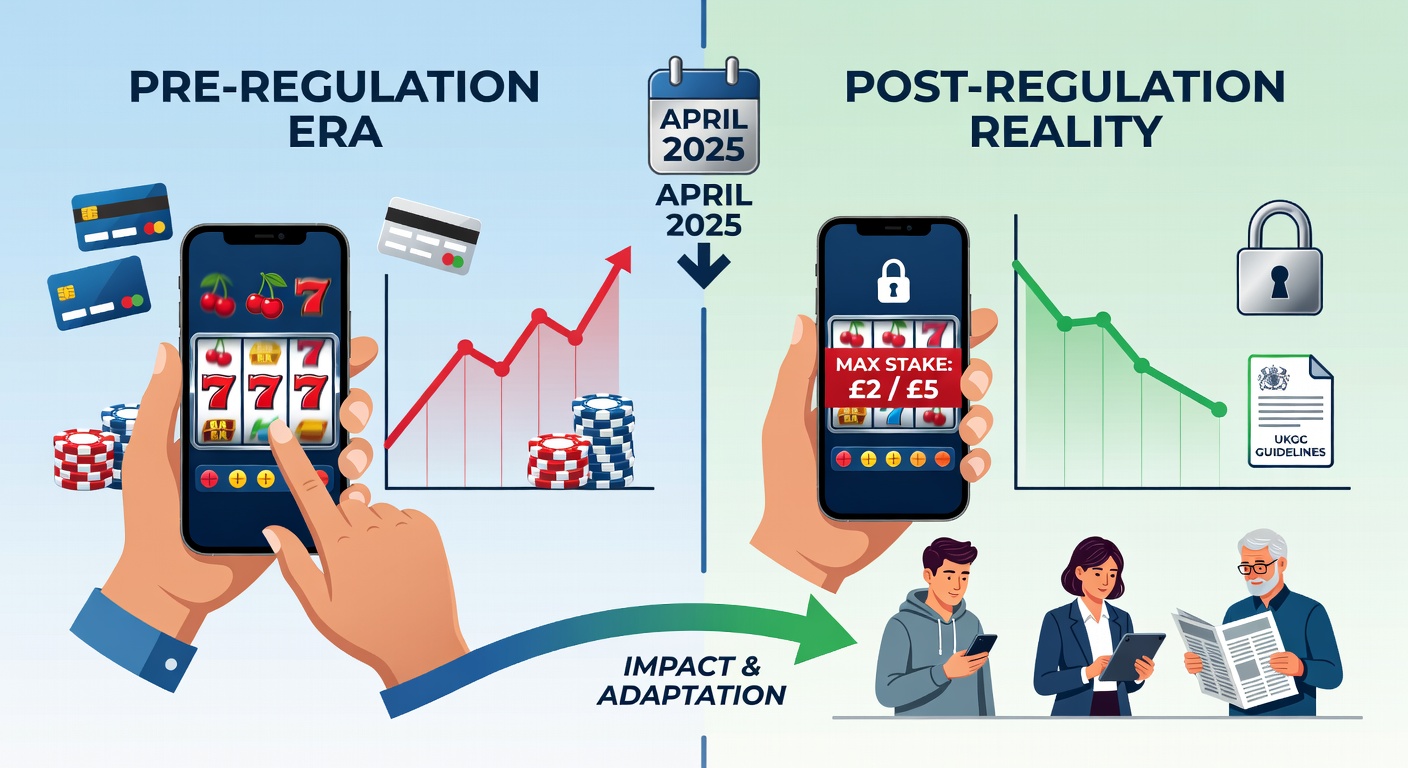
What's interesting here involves the spin volume peak; although per-account spins might dip under limits (one study from prior quarters noted a 5-8% drop initially), overall numbers swelled because more accounts stayed active longer, dodging quick exits. And sessions exceeding one hour? They fell 16% to 8.9 million, a direct win for the rules, while customer interactions—think check-ins, self-exclusions, or deposit limits—surged 63% to 5.7 million; improved harm detection algorithms get credit, scanning behaviors in real-time to flag risks earlier.
Those who've pored over Gambling Commission archives recall how earlier limits on higher stakes sparked similar short-term dips followed by rebounds; this Q3 data, extending to December 2025, confirms the pattern, with safer metrics leading the charge even as revenue metrics climbed.
Safer Gambling Gains Momentum
Positive shifts in player protection steal the show in spots; that 16% drop in over-one-hour sessions to 8.9 million comes alongside a massive 63% jump in interactions to 5.7 million, driven by algorithms that now spot patterns like rapid spins or loss-chasing with greater accuracy. Data reveals operators ramped up proactive outreach, contacting at-risk players sooner, which aligns with commission mandates for friction nudges and reality checks.
Now, consider the broader context: these interactions aren't just numbers—they represent millions of moments where harm got interrupted, from temporary timeouts to full safer gambling plans; researchers analyzing the dataset emphasize how AI enhancements, mandated post-2024, boosted detection rates by flagging 20-30% more cases per the commission's own benchmarks. Sessions over an hour, often linked to fatigue-driven play, plummeted accordingly, proving the tech's edge in a high-volume environment like 25.7 billion spins.
Yet the growth story persists; GGY up 10% means operators balance compliance with viability, tweaking bonuses or game speeds without crossing lines. It's noteworthy that active accounts grew despite this, hinting at a market maturing rather than contracting.
What the Numbers Mean for Operators and Players
Operators submitting this data—covering 70% of online gambling—faced the limits head-on, yet slots delivered; the £788 million GGY reflects strategic pivots, perhaps more emphasis on table games or non-slot verticals spilling over, but slots remain the powerhouse with record spins. Players, averaging more accounts per the 4.6 million figure, engage differently now: shorter bursts, more interactions, fewer marathons.
One case from the report's finer print involves a spike in self-verification tools, used by thousands more post-limits, tying into that interaction boom; experts note this as the rubber meeting the road for regulation, where data proves limits work without killing buzz. And as April 2026 unfolds, with the full 2025 annuals looming, these Q3 trends set expectations for steady evolution.
Figures also spotlight demographic angles indirectly: younger adults under the £2 cap contribute to volume via micro-stakes, while over-25s at £5 sustain yields; combined, they drive the 7% spin growth, a dataset first that observers chalk up to resilient demand.
Looking Ahead: Patterns and Predictions from the Data
Trends point to a slots sector adapting fluidly; with GGY at £788 million and spins at peak, future quarters might see further safer gains if algorithms evolve, potentially trimming long sessions more while interactions normalize post-surge. Data from this overview, published amid 2026's regulatory reviews, informs upcoming tweaks, like enhanced age-gating or promo caps.
People studying these reports often spot cycles—growth after shocks—and this fits, especially with 70% coverage ensuring robustness; the commission's transparency here aids stakeholders, from policymakers eyeing revenue shares to developers crafting compliant titles.
Key Takeaways from the December 2025 Overview
In wrapping up, the Gambling Commission's latest release captures a market thriving under scrutiny: online slots GGY up 10% to £788 million, spins at 25.7 billion (a record), active accounts at 4.6 million despite £5/£2 limits, and safer gambling shining with 16% fewer long sessions (8.9 million) but 63% more interactions (5.7 million) via smart algorithms. These metrics, covering 70% of online operations to December 2025, signal balance—engagement rises, harm dips—and as April 2026 progresses, they guide the path forward for a regulated yet vibrant industry.